
Artificial intelligence (AI) combined with computer vision is rapidly reshaping how industries function. By enabling machines to see, interpret, and respond to visual information, these technologies unlock new levels of automation, accuracy, and foresight. From smarter factories to safer roads, their impact is evident across nearly every sector of the global economy.
Understanding Computer Vision in Industry
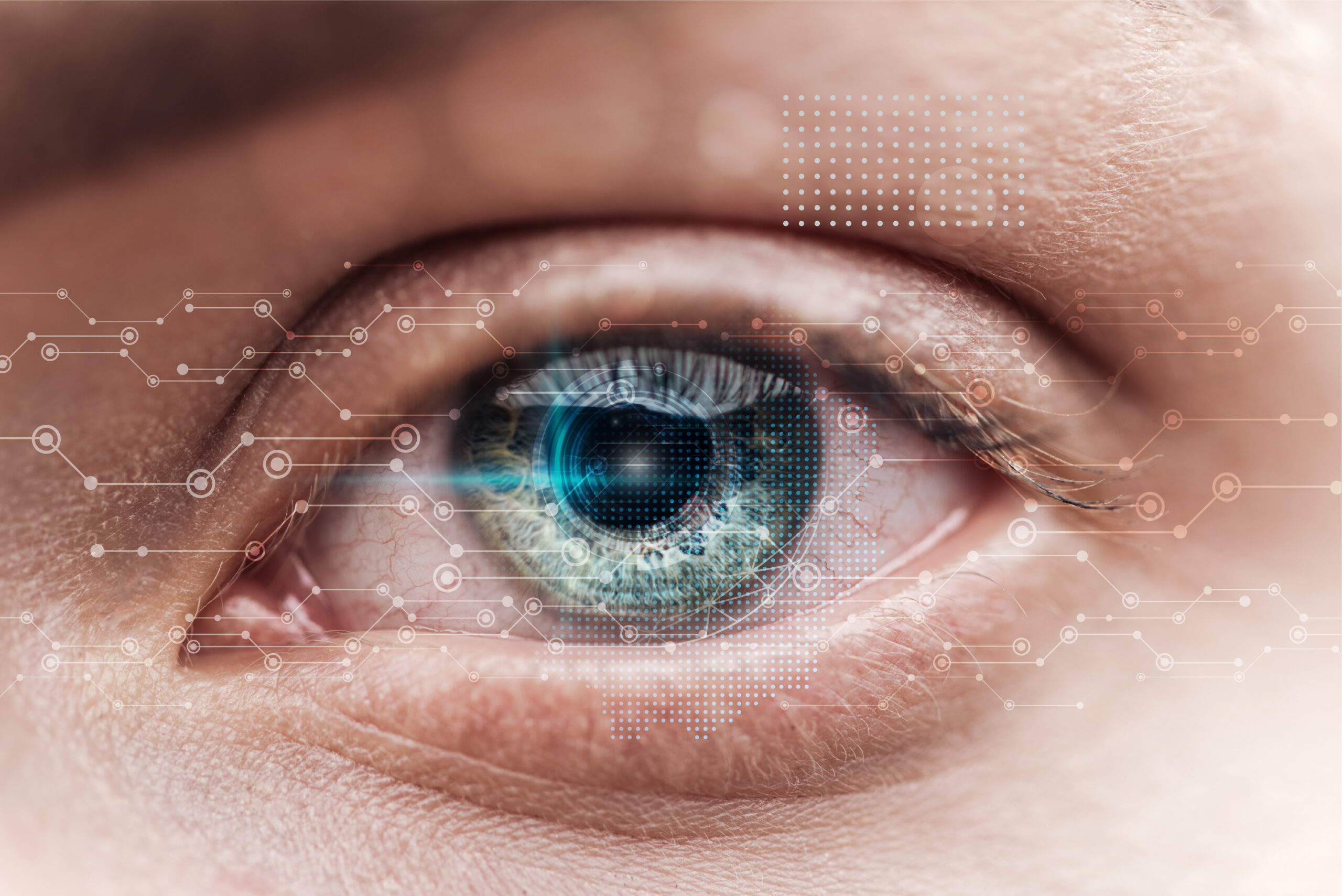
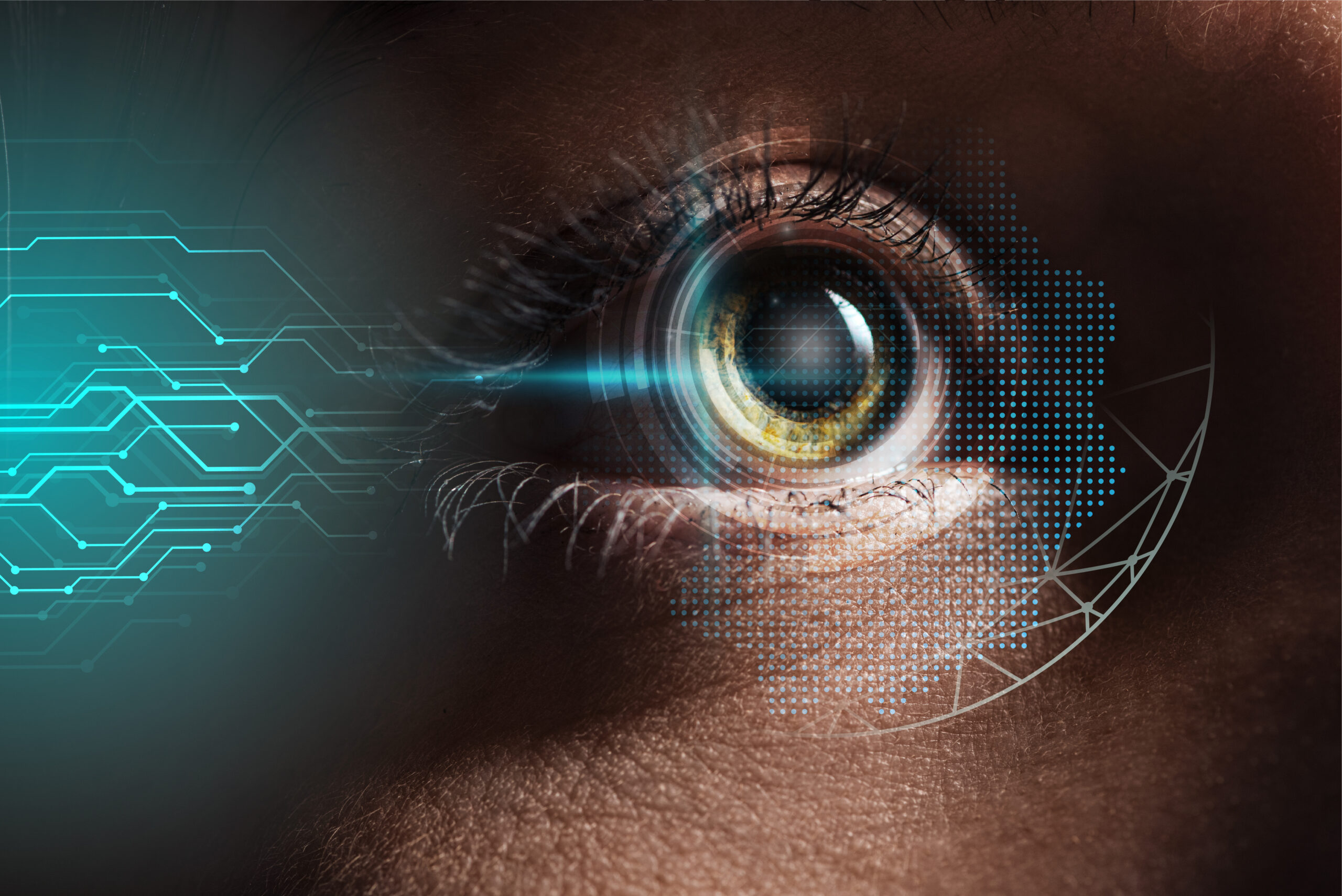
At its core, computer vision equips machines with the ability to interpret images and videos, mirroring aspects of human sight but with greater precision and speed. As a cornerstone of Industry 4.0, it transforms traditional operations into intelligent, data-driven systems that learn, adapt, and improve over time.
Key contributions include:
- Automated Processes: Reducing manual labour and streamlining workflows.
- Enhanced Quality Assurance: Identifying flaws or defects before they escalate.
- Predictive Maintenance: Preventing breakdowns by detecting early signs of wear.
In practice, this means fewer production errors, safer workplaces, and more efficient use of resources.
Where Computer Vision Delivers the Most Value
Real-Time Object Detection and Classification
Recognising and categorising objects is one of the most powerful applications of computer vision.
- Manufacturing: Automated inspection tools can detect imperfections that human eyes might miss, ensuring consistent quality and minimising waste. For instance, FOXCONN’s NxVAE system can identify over a dozen types of common product defects.
- Healthcare: AI-driven medical imaging identifies cancerous cells or abnormalities, dramatically improving early diagnoses and treatment outcomes.
Smarter Surveillance and Security
Computer vision has revolutionised monitoring by enabling continuous, automated analysis of video feeds.
- Traffic Systems: Algorithms track vehicle movement, analyse congestion, and even adjust traffic signals to improve road safety.
- Security Applications: Facial recognition and advanced analytics help detect unauthorised individuals in sensitive environments, increasing safety and responsiveness.
Applications Across Core Sectors
- Agriculture: Drones with high-resolution cameras scan fields to detect crop diseases or pests early and determine the best harvesting times.
- Electronics Production: Vision-based systems quickly identify faulty circuits or misaligned components. Predictive AI tools further minimise downtime by flagging machinery issues before they happen.
- Automotive & Logistics: Self-driving cars rely on vision systems to recognise pedestrians and navigate complex traffic. In logistics, warehouse robots use visual guidance to sort, track, and deliver goods with accuracy.

Tools Behind the Technology
The integration of AI, machine learning, and open-source libraries like OpenCV has made it possible for industries to process visual data at scale.
- Manufacturing: AI tools anticipate machine failures, reducing costly interruptions.
- Healthcare: Deep learning systems analyse X-rays, MRIs, and CT scans with remarkable accuracy, providing doctors with sharper insights.
These innovations allow for tailored solutions that increase reliability while cutting costs.
Looking Ahead: The Next Wave of Computer Vision
Future breakthroughs will further tighten the bond between AI and computer vision. With edge computing, data can be processed on-site, allowing instant decision-making. Imagine autonomous vehicles reacting to obstacles without a millisecond’s delay, or factories detecting defects in real time without relying on cloud infrastructure.
Other exciting areas include augmented reality (AR), where surgeons could overlay live data during operations or consumers could virtually test products from home. Such advancements will not only refine efficiency, but also redefine everyday experiences.
Ethical Considerations and Workforce Impacts
The rise of computer vision also sparks debate about privacy and bias. Facial recognition increases security, but raises concerns over surveillance and personal data protection. Algorithms trained on unrepresentative data risk reinforcing discrimination, particularly in policing or security contexts.
Meanwhile, automation will inevitably reshape the workforce. While some jobs may be displaced, new opportunities will emerge in areas such as AI engineering, data science, and robotics. The challenge is ensuring that technological progress benefits society as a whole.
Conclusion
Computer vision powered by AI is more than just a technological advancement—it is a transformative force across industries. Whether it’s improving medical diagnostics, boosting factory productivity, or enabling autonomous transportation, the possibilities are vast.
The future of computer vision is not in question; the real uncertainty lies in just how profoundly it will change our world.
Frequently Asked Questions
What role does AI play in computer vision?
AI empowers computer vision systems to “understand” images and video, making it possible to detect objects, classify information, and automate industrial tasks with greater speed and accuracy.
How is computer vision applied in industries such as manufacturing and healthcare?
In manufacturing, it improves quality control and enables predictive maintenance to reduce costs and downtime. In healthcare, it enhances diagnostic imaging, assists in detecting cancer at early stages, and supports surgical precision.
What are the main hurdles industries face when adopting this technology?
Challenges include data quality, integration with legacy systems, and ethical issues such as privacy risks and bias in algorithms. Overcoming these barriers is vital for large-scale adoption.
What future developments can we expect in computer vision?
Emerging trends include edge computing for real-time decision-making, augmented reality integration, and advances in generative AI. Together, these will expand the scope and impact of computer vision across multiple industries.