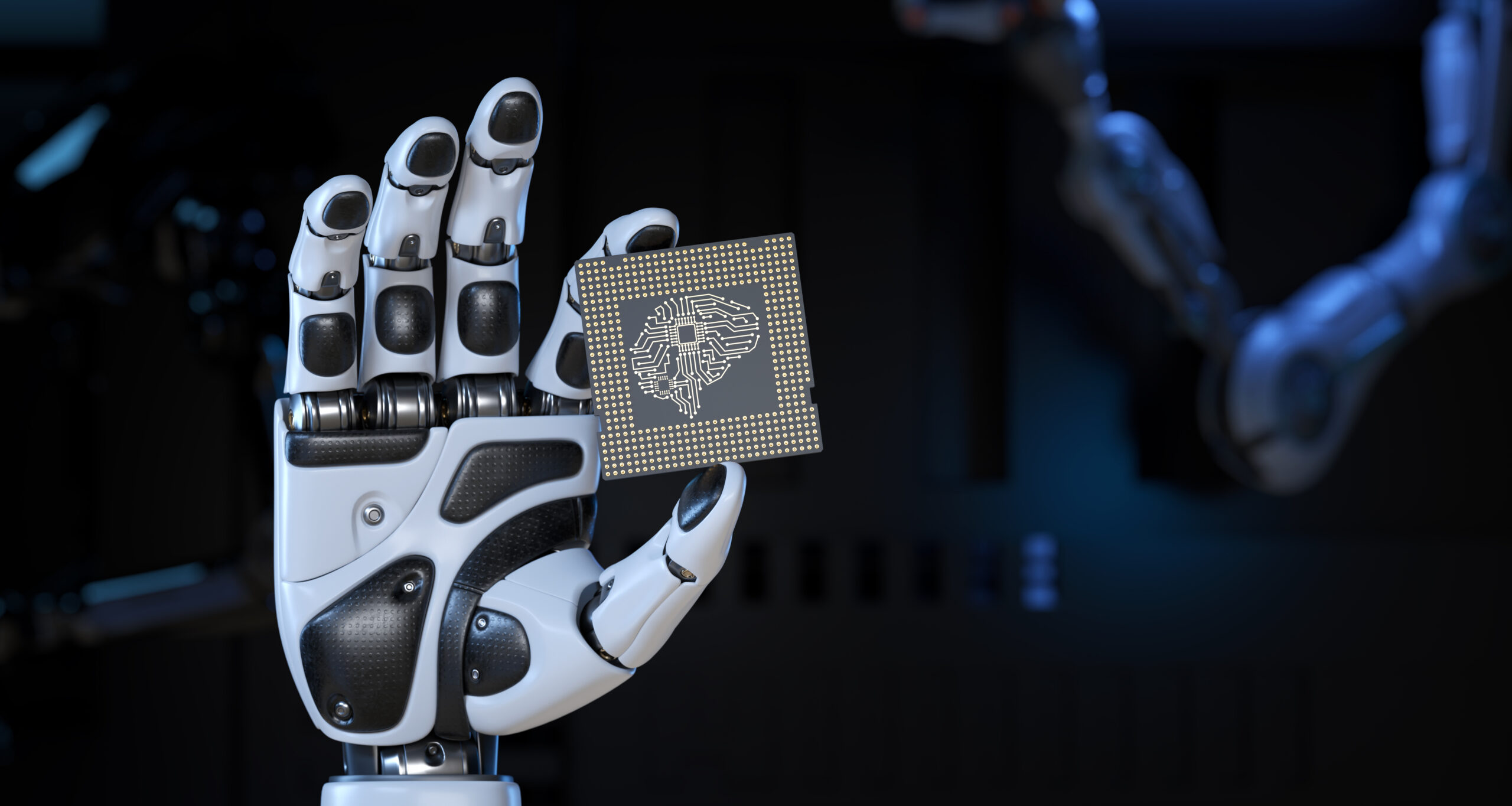


The business landscape in Germany in 2025 is shaped by profound structural challenges. Enterprises of all sizes are navigating a shrinking pool of skilled workers, time-consuming bureaucracy, inefficient manual practices, the gradual loss of institutional knowledge, and an uneven pace of digital transformation.
These hurdles are not minor obstacles; they directly influence growth, competitiveness, and long-term stability. The key lies not in working harder within outdated systems, but in fundamentally rethinking processes. Artificial intelligence and automation provide the critical levers to move beyond these constraints.
1. Talent Shortages Restrict Growth
Germany’s workforce is under strain. A steadily aging population, shifting professional priorities, and stiff competition for specialists are leaving many vacancies unfilled. Projections from the Institute for Employment Research (IAB) suggest that by 2035, more than seven million skilled workers could be missing. Already in 2025, over 700,000 positions remain open.
The implications are severe: delayed projects, productivity losses, and slower economic expansion. Small and medium-sized enterprises (SMEs) are particularly vulnerable, as they lack the recruiting budgets and brand visibility of large corporations.
AI-supported recruiting strategies
- Automated applicant screening based on predefined criteria
- Chatbots for handling initial candidate queries and pre-assessments
- Predictive algorithms that match long-term candidate suitability
- Video interview analysis for standardised evaluations
Through these methods, HR teams can speed up hiring, reduce bias, and strengthen their position in a competitive labour market.
2. Bureaucracy as a Barrier to Progress
Although Germany is often associated with efficiency, in reality, businesses face cumbersome administrative hurdles. Endless approval loops, paper-heavy procedures, and overlapping responsibilities drain resources and divert attention away from innovation.
How automation addresses bureaucracy:
- Document processing: Intelligent systems capture, classify, and forward documents without manual input.
- Regulatory compliance: Real-time monitoring tools automatically flag deviations and produce audit-ready reports.
- Workflow management: Automated approval chains and integrated platforms reduce bottlenecks and speed up decisions.
The outcome is leaner administration and more energy for market-oriented initiatives.

3. Manual Workflows Reduce Efficiency
Even in 2025, many companies remain reliant on manual routines for recurring tasks. This not only consumes time but also increases the likelihood of errors and inefficiencies. In a world where global competitors prioritise speed and agility, this reliance is unsustainable.
Automation of repetitive activities
- Routine scheduling, notifications, and reporting can be managed by software, releasing teams from repetitive duties.
Replacing manual data entry
- OCR-powered tools digitise invoices, shipping forms, and compliance documents, eliminating redundancy.
Creating uniform processes with AI
- By standardising workflows across departments, companies reduce inconsistencies and unlock scalability.
Together, these measures enable faster turnaround times, higher accuracy, and greater operational capacity.
4. Knowledge Disappears as Employees Retire
A less visible but equally critical challenge is the erosion of accumulated expertise. As experienced staff retire or leave, organisations risk losing the practical know-how that drives effective decision-making and problem-solving.
AI in knowledge management
- Intelligent platforms capture internal insights, categorise them, and make them searchable.
- Semantic search engines deliver answers based on context, not just keywords.
- Personalised content recommendations strengthen knowledge-sharing across teams.
Automated documentation
- Day-to-day activities can be converted into structured guides with the help of AI, ensuring continuity even when key employees depart.
This approach reduces onboarding times, safeguards intellectual capital, and maintains organisational stability.
5. Digital Transformation at a Slow Pace
Despite significant investments, many German companies are still lagging behind in digital adoption. Outdated infrastructure, cultural resistance, and fragmented systems prevent full-scale modernisation.
How AI accelerates digitalisation:
- Change management: Algorithms detect resistance within teams and provide managers with actionable insights to steer transformation.
- Predictive analytics: Advanced data models forecast market shifts and risks, allowing leaders to act proactively rather than reactively.
For businesses, embracing these tools is no longer optional – it is essential for resilience in a volatile global economy.
Free AI Workshop Offer
To help organisations take the first step, Linvelo provides complimentary brainstorming workshops (valued at €4,000). These sessions are designed to highlight opportunities for integrating AI into business operations.
What the sessions include:
- In-depth review of current challenges
- Tailored AI applications relevant to your industry
- Quick-win initiatives that can be implemented immediately
- A clear roadmap toward scalable digital transformation
Why participate now?
Competitors are not standing still. Moving early gives companies a decisive advantage.
👉 Secure your free session today.
Frequently Asked Questions
Why is the talent shortage particularly urgent in 2025?
Because demographic realities are catching up. By this year, more than 28% of businesses report unfilled positions – an increase compared to previous years. This shortage amplifies workload pressures and slows growth.
What is the most effective way to cut through bureaucracy?
Automated document workflows deliver the fastest impact. They eliminate manual input, reduce errors, and streamline approvals, ensuring smoother operations.
If we already use AI, is this workshop still relevant?
Yes. Many firms underutilise the potential of their AI tools. The workshop identifies hidden opportunities and provides practical, customised improvements.