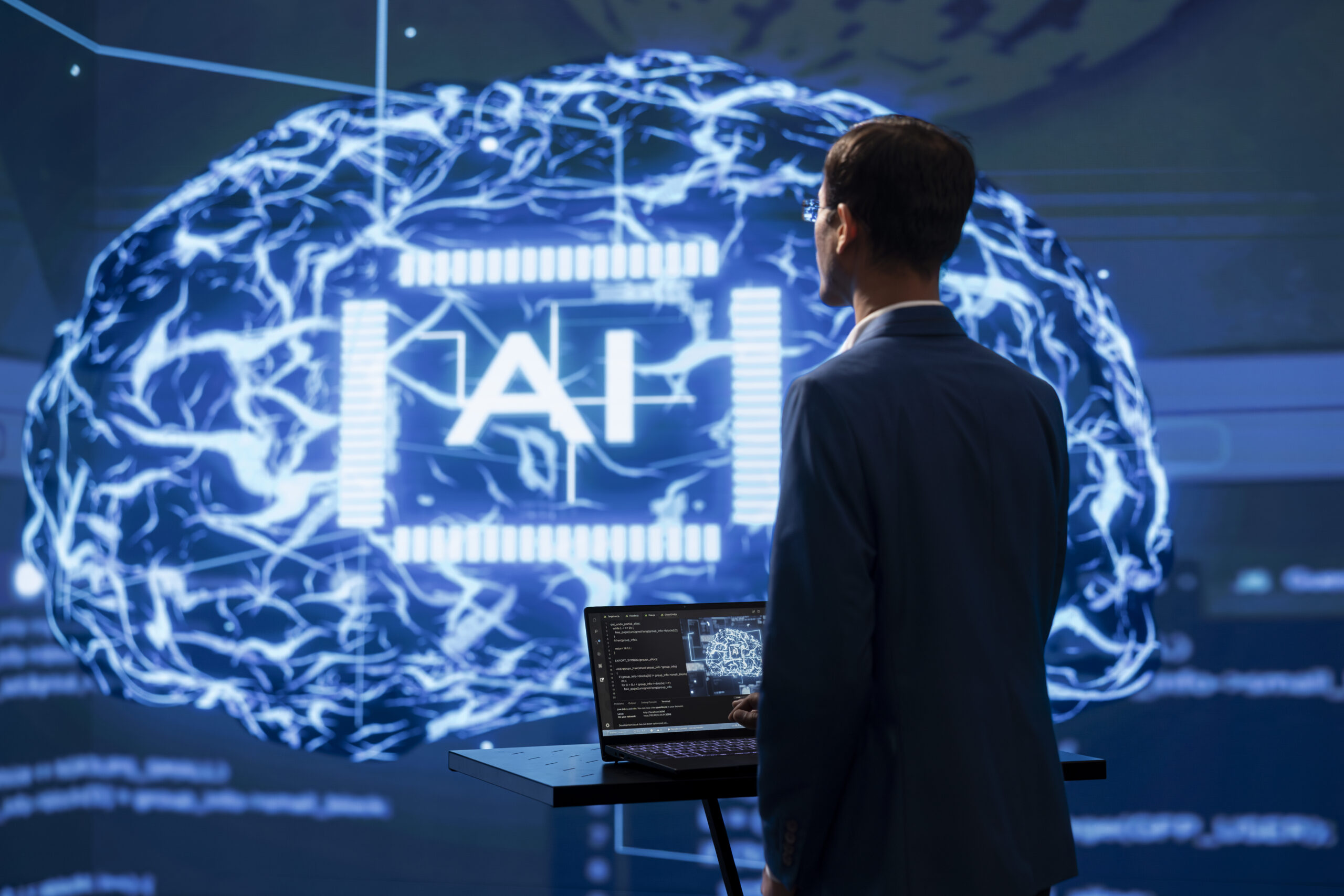

Artificial intelligence and automation are no longer fringe concepts; they are the engine behind a rapid reconfiguration of the global workforce. This revolution is opening doors to extraordinary gains in efficiency, yet it is also forcing millions to confront the question: what becomes of traditional jobs when machines can do them faster, cheaper, and in some cases, better?
Socioeconomic Shifts Before the Technology Itself
Before delving into the hardware and algorithms, it’s worth noting the broader impact. AI is already reshaping income distribution, potentially widening the gap between high earners who can leverage advanced tools and those whose jobs are vulnerable to automation. Displacement does not only threaten livelihoods; it can trigger a cascade of social consequences — from increased stress and mental health challenges to declining job security and stagnant wages.
While wealthier nations may be better equipped to absorb the disruption, the uneven adoption of AI between developed and developing economies risks deepening existing inequalities. There is, however, a counterpoint: in the right hands, AI could boost the productivity of less experienced workers, levelling certain aspects of the playing field.
The Core Technologies Driving Change
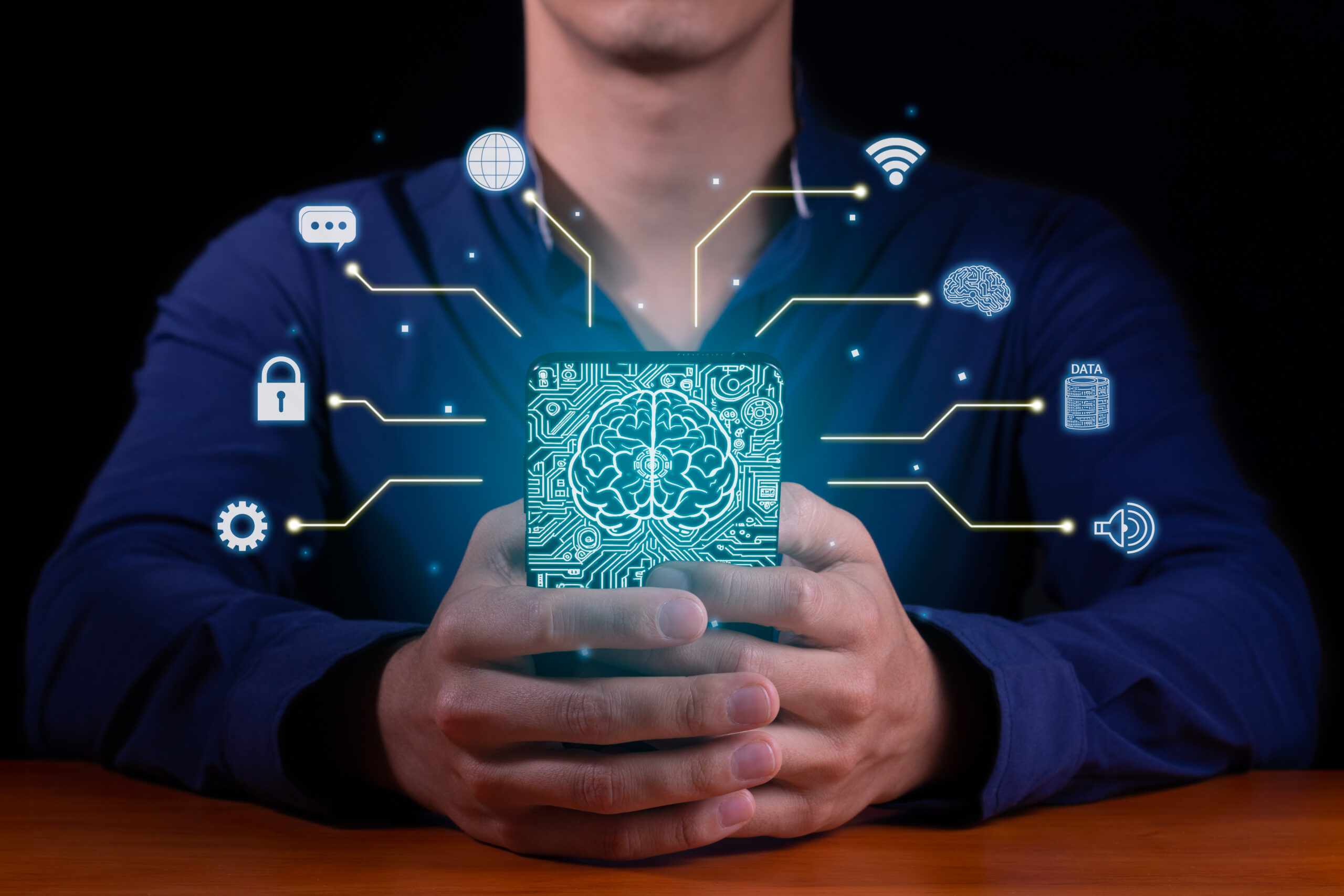
The current wave of automation rests on three interlocking pillars: machine learning, robotics, and natural language processing.
- Machine learning extracts meaning from vast datasets, performing decision-making tasks once deemed too intricate for automation. Deep learning networks are now solving problems across industries, compressing years of experience into algorithmic precision.
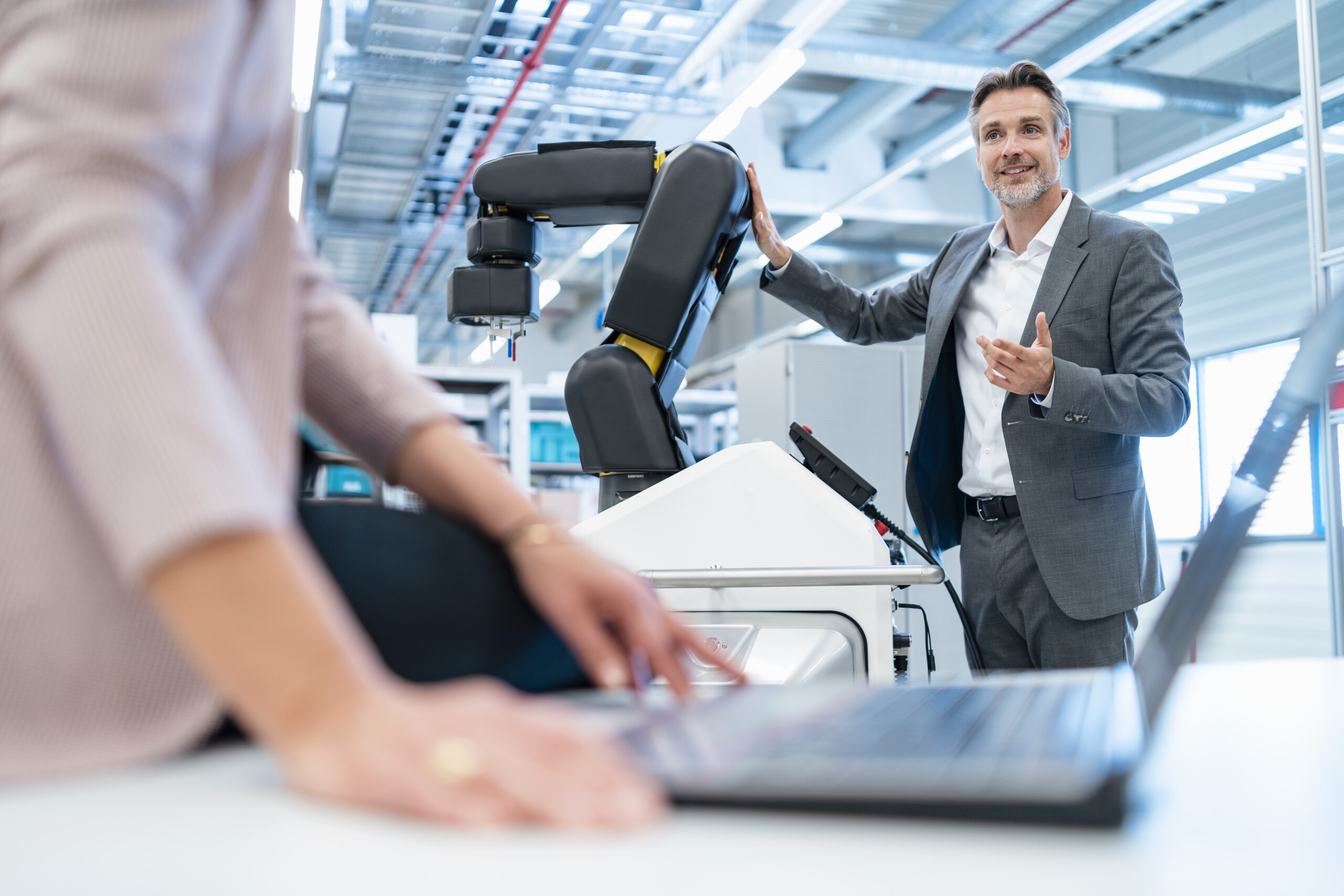
- Robotics has evolved beyond the factory floor. Cobots — collaborative robots — share space with human colleagues, predictive maintenance software spots faults before they halt production, and computer-vision quality control systems deliver microscopic precision. Even autonomous mobile robots are now ferrying goods and managing inventories.
- Natural language processing (NLP) bridges the communication gap between humans and machines. It powers automated customer support, content creation, and marketing analysis — tasks previously tethered to human interaction.
The Industry Impact: Uneven but Unstoppable
Not all sectors face the same intensity of change. Current figures show that AI adoption sits at roughly 12% in manufacturing and information services, but only 4% in construction and retail. Vulnerability correlates with task repetitiveness.
- Manufacturing is undergoing perhaps the most visible transformation, with automation delivering greater efficiency, consistent quality, and reduced downtime.
- Retail increasingly tailors its offerings to individual shoppers using data analytics, machine learning, and even virtual “try-on” experiences — while tightening supply chain management.
- Transport faces a looming shift towards driverless vehicles and delivery drones, potentially reshaping passenger travel, freight, and even aviation customer services.
- Healthcare and finance are using AI for sharper diagnoses, optimised treatment plans, risk assessments, and automated client interactions.
The Skills Gap: A Growing Fault Line
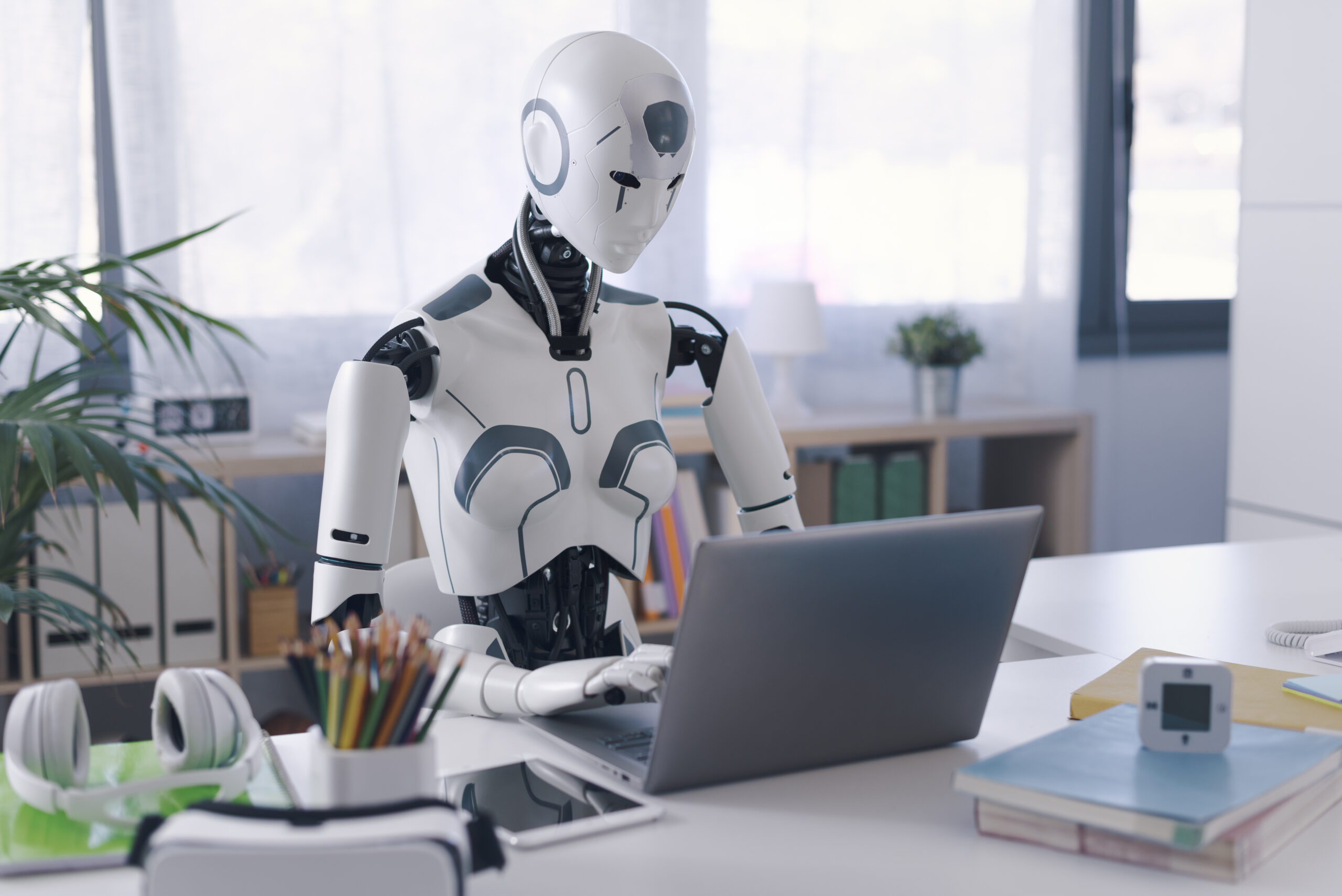
The accelerating adoption of AI has highlighted a mismatch between the capabilities employers require and those job seekers currently possess. Routine work is the first to vanish, often hitting mid-career and less-skilled employees hardest.
Retraining is no longer optional — it is the frontline defence against obsolescence. Demand is rising for both hard skills (programming, maintenance, quality control) and soft skills (creativity, critical thinking) that machines cannot easily replicate.
Policy and Corporate Responsibility
Governments are experimenting with responses. The Trade Adjustment Assistance programme in the United States provides a model for retraining, financial support, and career transition services. Similar initiatives — including proposed updates like the TAA for Automation Act of 2019 — aim to directly address AI-related displacement.
Companies, too, are urged to prepare proactively:
- Fund employee upskilling and reskilling
- Foster a culture of adaptability
- Explore emerging job categories that AI itself creates
Ethical Boundaries and Public Health
Automation’s moral questions go beyond economics. Removing human roles without safety nets risks damaging public health outcomes, both mentally and physically. Policymakers, business leaders, and technologists must decide how far AI should be allowed to replace human labour — and under what safeguards.
Looking Ahead: Employment in the AI Era
As machines shoulder more responsibility, adaptability will define survival in the job market. Lifelong learning is no longer a slogan but a prerequisite. Workers will need to master collaboration with AI, focusing on tasks where human flexibility still outpaces code.
AI’s permanence in the workplace is certain; whether its integration leads to shared prosperity or deeper divides will depend on the decisions made now — in boardrooms, classrooms, and legislative chambers.
Frequently Asked Questions
How is AI automation changing employment?
It’s displacing certain roles, altering skill requirements, and reshaping wage dynamics. Some jobs vanish, others transform, and entirely new categories emerge.
Which sectors are most exposed?
Manufacturing, retail, and transport are on the frontline due to their heavy reliance on repetitive, structured tasks.
How are governments responding?
By introducing retraining schemes, financial aid, and policy frameworks to support transitions — while encouraging further education and workforce adaptation.